
Key Takeaways
Voltage drop is a condition in which voltage falls from the source to the load because of resistance within a cable that is too long or too small. This often becomes a serious “hidden cost” when a project downgrades its cable specification to save on the initial procurement budget — only to face heat build-up that risks fire, higher electricity bills from energy losses, and, most importantly, the possibility of spending millions to strip out and rewire everything if the work fails inspection against EIT standards. To prevent the problem at source, the procurement team should work closely with engineers to assess distances and current ratings accurately, and choose a cable type suited to the installation environment.
In large-scale project management, cable costs often take up a huge share of the MEP works budget — especially when the global copper price is volatile. Downgrading or reducing the cable size by just one gauge may look like it saves hundreds of thousands on site, but in reality the decision can be traded for millions in losses from having to strip out and rewire everything because the work fails inspection.
For procurement teams and project managers, balancing “lower cost” against “the correct specification” is the ultimate challenge. The main reason reducing cable size becomes a cost trap is end-of-line voltage drop. This article takes a deep look at what voltage drop is, how it affects the system, and how to procure cable in large lots at the point that is both cost-effective and safe — and passes utility standards 100%.
Getting to Know Voltage Drop: What Is It, and Why Is It a Hidden Cost?
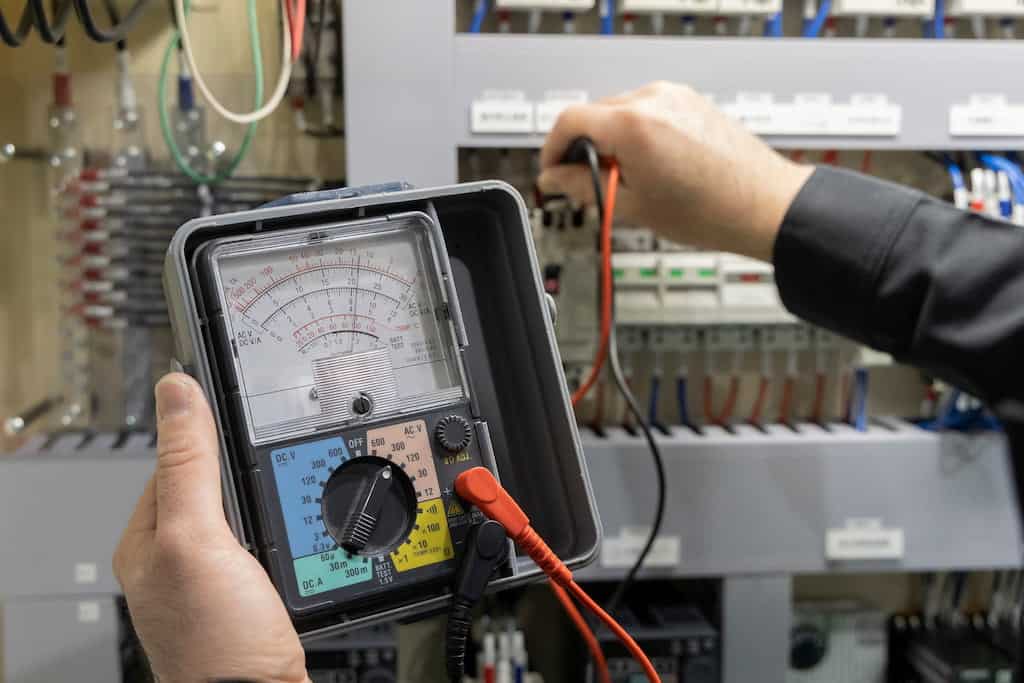
What causes voltage drop? The main cause is resistance within a cable that is too long or smaller than the current rating, which makes the voltage delivered from the source to the load fall or become uneven. As a result, machinery and electrical equipment cannot work at full efficiency, and the system can suffer severe damage.
As mentioned, cable costs in a large project are substantial. Reducing the specification or the cable size by just one gauge may look like it saves hundreds of thousands on site, but in reality this decision can be traded for millions in losses from having to strip out and rewire everything because the work fails inspection. Understanding thoroughly what voltage drop is, therefore, is the key to controlling the budget cost-effectively.
Thailand’s electrical installation standard (EIT) sets an acceptable percentage of voltage drop so that work passes the project consultant’s inspection. If the calculation goes wrong at the procurement stage, it immediately becomes a large “hidden cost.”
The Risks of Downgrading the “Copper Main Cable” to Save Budget
For procurement teams and project managers, balancing “lower cost” against “the correct specification” is the ultimate challenge. Choosing to reduce the size of the copper main cable to save budget means facing the following risks:
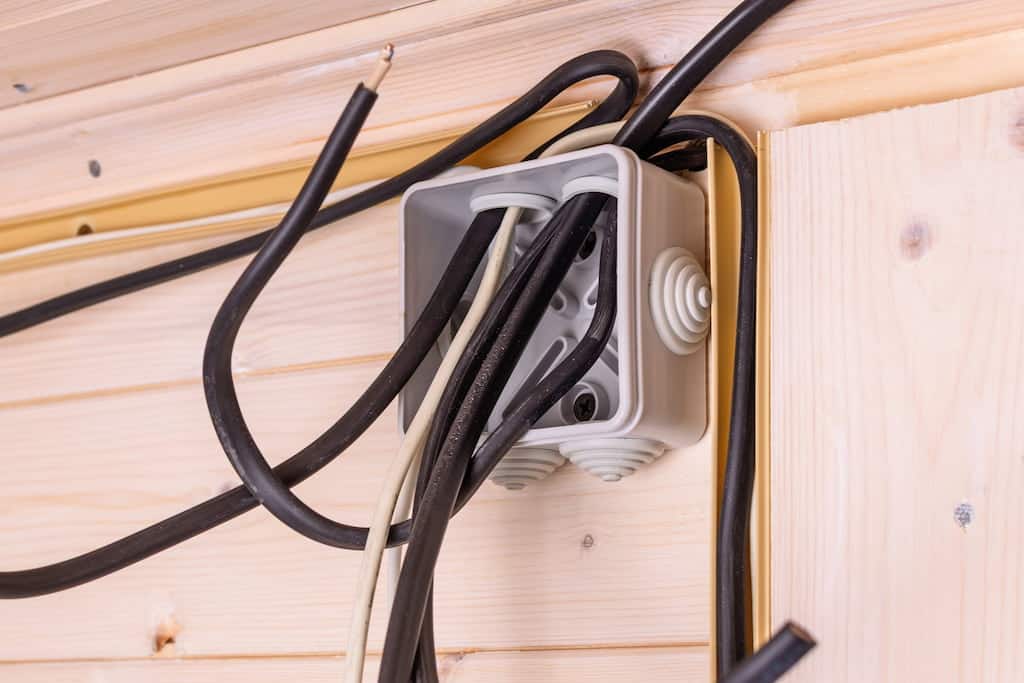
- Heat build-up and fire risk: A cable that is too small, when it has to carry its full rated current load, generates high heat build-up, risking melted insulation that leads to short circuits.
- Power loss you pay more for: Even though the cable costs less to buy, the monthly electricity bill from heat lost in the system keeps rising over the long term — an investment that is not worthwhile.
- The expensive lesson of rework: If a voltage drop exceeding the standard is found after installation, the cost of removing and buying new cable to reinstall is many times higher than buying the correct cable in the first place.
Tips for Procuring Cable in Large Lots to Prevent Voltage Drop
To make procurement as cost-effective as possible, get a specification that satisfies the engineers, and eliminate voltage-drop problems, we recommend the following initial assessment techniques:
| Procurement step | Details and precautions to reduce voltage drop |
|---|---|
| 1. Assess the distance and current rating | Review the BOQ closely with the engineer to find the cable size that carries the load and compensates for the distance exactly, preventing end-of-line voltage drop. |
| 2. Choose a cable type to suit the site | Analyse the wiring method — surface, direct-buried or in-conduit — which affects heat dissipation and the cable specification. |
| 3. Plan negotiations with suppliers | Lock in the copper price in advance and find a manufacturing partner who offers specification advice so value engineering can be done correctly. |
Tackle Voltage Drop by Investing in TIS-Standard Cable
Investing in your electrical system is investing in long-term safety. Choosing the correct cable specification from the outset eliminates nagging little problems, reduces the chance of work stoppages, and genuinely protects the project budget.
For contractors and procurement teams looking for high-quality cable to wire a building or factory, at TETA INTERTRADE we have specialists ready to advise on the rating tables for high-current CV cable to prevent voltage-drop problems. We also stock main cable and low-voltage electrical wire in every size, with fast delivery to your site, supporting projects of any scale.
Contact TETA INTERTRADE today to raise the safety and efficiency of the electrical installation on every one of your projects.
- LINE: https://lin.ee/NaG9WJP
- Phone: 02-068-9690 or 086-308-3741
Frequently Asked Questions About Voltage Drop (FAQs)
Why does downgrading the “copper main cable” cause voltage drop?
Because a cable smaller than its specified current rating has higher internal resistance. When power has to be delivered over long distances, the voltage reaching the load falls and becomes insufficient for use.
How does voltage drop affect a project’s hidden costs?
It causes energy to be lost as heat, so the project owner pays a higher electricity bill every month — and if the voltage drop exceeds the EIT standard, there will be enormous costs to strip out and rewire.
Does the installation environment affect cable size and voltage drop?
Very much so. Surface, direct-buried and in-conduit wiring have different rates of heat dissipation, so the procurement team must choose a cable type that matches the site, so the cable can carry current to specification without voltage drop.
How should procurement negotiate with suppliers to reduce the risk of the cable budget spiralling?
Plan purchases in advance to lock in the market copper price, and choose a supplier who acts as a partner to advise on specifications, so costs can be cut while quality is maintained together with the project engineers.
References
- Electrical Installation Standard (PEA). Retrieved 11 September 2026. From pea.co.th
- Professional Electrical Installation Handbook (EIT Standard 2564). Retrieved 11 September 2026. From thaiyazaki-electricwire.co.th






