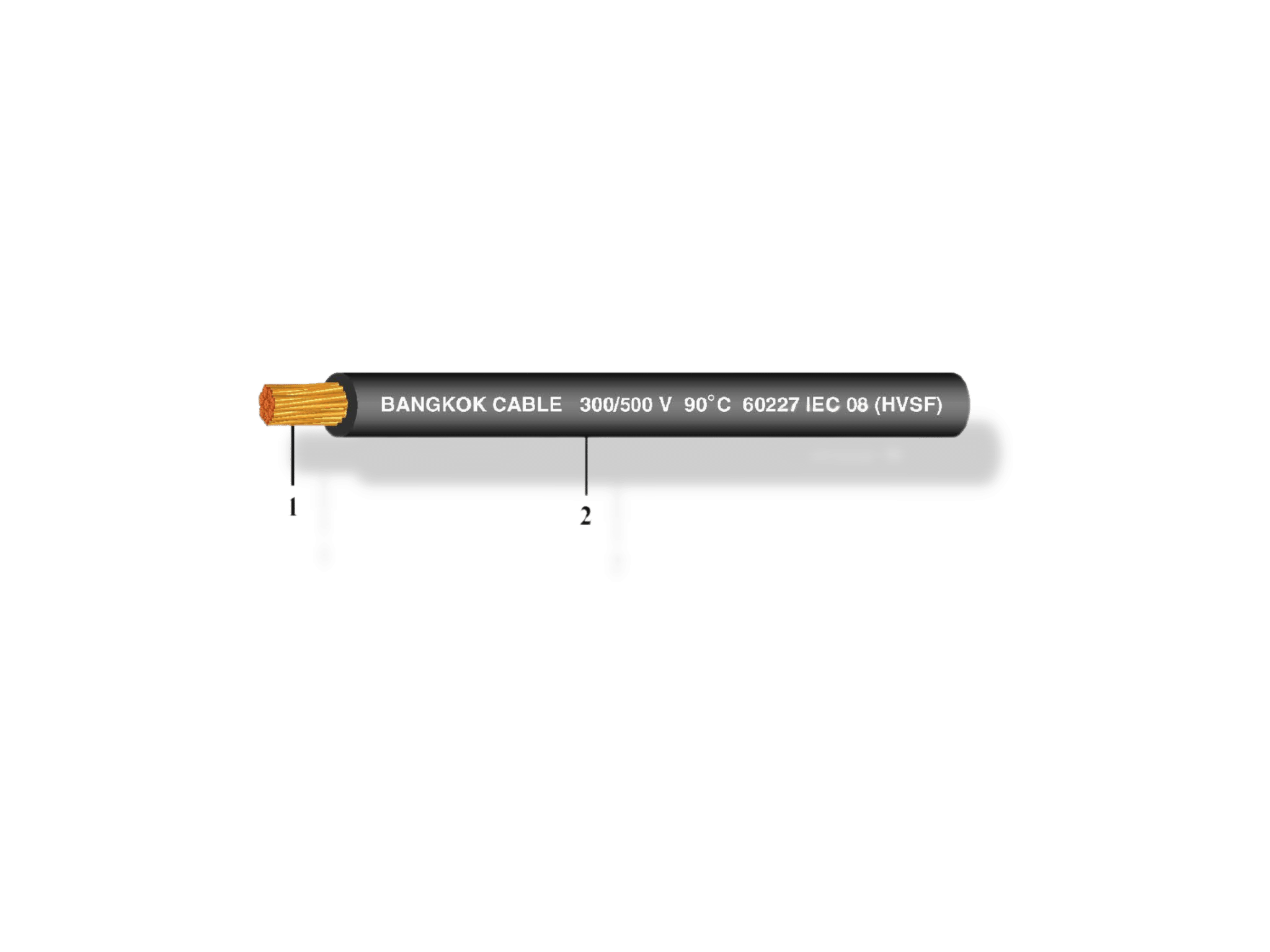
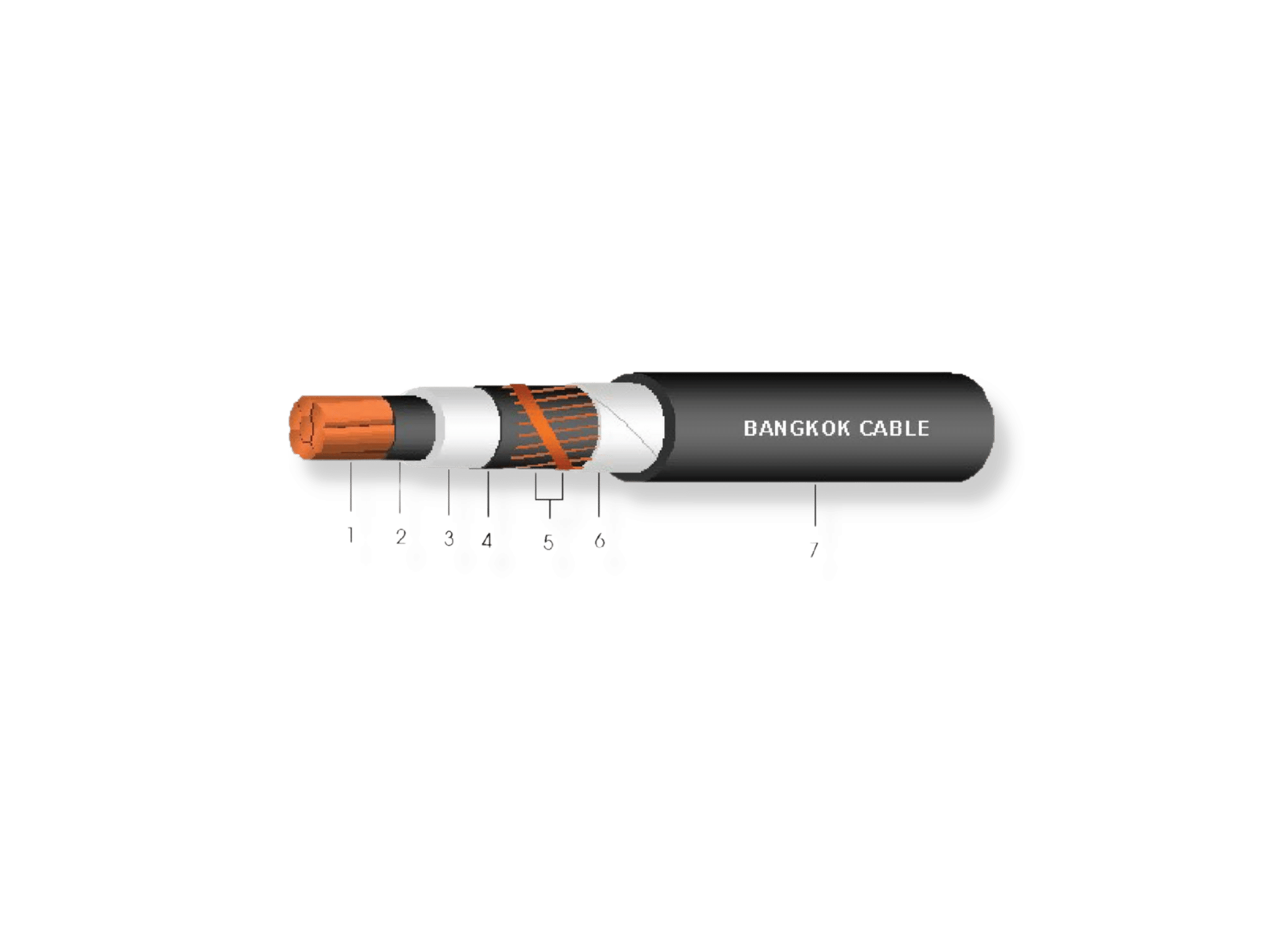
For efficient power distribution, the choice of conductor material is the most important foundation. Copper wire is an internationally standardized product trusted for electrical installations in both buildings and industrial plants. With conductivity and mechanical durability superior to other materials, it keeps electrical systems running stably and safely for the long term. TETA INTERTRADE selects and distributes high-quality copper wire at contractor prices — every type, from small residential wire to large copper main cable for factories — with quality guaranteed under TIS standards, to deliver the best to engineers and contractors.
Low-Voltage Copper Wire
Insulated copper wire, suitable for voltages up to 750 V.
Copper is the most widely used conductor material in electrical work, valued for its excellent conductivity, mechanical strength, and long service life. Copper wire and cable carry power reliably in homes, buildings, and industrial plants, and are made to recognized standards such as TIS and IEC.
Why Copper?
Copper conducts electricity better than almost any other affordable metal, generates less heat for a given load, resists corrosion, and flexes without breaking — making it the dependable choice for both permanent wiring and equipment connections.
Types of Copper Wire by Voltage
Low voltage (up to 750 V): insulated building wires such as THW, IV, VAF, NYY, and VCT. Medium voltage (3.6–36 kV): large stranded XLPE-insulated cable such as CV for distribution. High voltage (36–170 kV): heavy XLPE cable for transmission. Bare copper conductors are used for grounding and overhead connections where no insulation is needed.
How to Choose the Right Copper Wire
Match the wire’s rated voltage and temperature to your system, size the conductor to the current it must carry, and confirm it meets the appropriate TIS/IEC standard for the application and environment.
Buy Copper Wire & Cable at TETA INTERTRADE
TETA INTERTRADE supplies a full range of standards-compliant copper wire and cable — THW, IV, VAF, NYY, VCT, CV, control cable, and bare conductors — at contractor wholesale prices, with deep stock and fast delivery. Contact our engineers for cable sizing and a quote.
Frequently Asked Questions About Copper Wire (FAQs)
Copper wire suits indoor building systems, industrial plants, main feeders, and systems needing high stability, thanks to its good conductivity, low resistance, and safe long-term performance.
They differ mainly in current capacity and use: low voltage (≤750V) for general buildings, medium voltage (3.6–36kV) for distribution and factories, and high voltage (36–170kV) for main transmission — each with structure and insulation designed for its voltage level.
Match the cross-sectional size to the electrical load, consider the insulation type and installation method, and choose TIS-standard cable to prevent heat build-up and reduce the risk of long-term failure.
High-quality, standards-compliant copper wire that is correctly installed can last more than 30 years while retaining its conductivity and system safety.
Choose a supplier that stocks every type of TIS-standard copper wire, gives real technical advice, and offers contractor pricing matched to your specs. At TETA INTERTRADE we help you choose the right wire for your project to control costs from the planning stage.