TETA INTERTRADE imports and distributes high-quality conduit and conduit fittings, available in many types to suit every application. Order today with free delivery to your job site.
Electrical Conduit Accessories
PVC- and XLPE-insulated aluminum wire, rated from 300 to 750 volts, suitable for homes, buildings, and industrial plants.
Conduit and conduit fittings are an important part of running any electrical system. Conduit comes in many types, so choosing the right one matters — using standards-compliant products suited to the job is one more way to improve safety.
What Is Electrical Conduit?
Electrical conduit is tubing used to enclose electrical wiring. It is used to run wires in homes, buildings, and construction projects, together with conduit fittings. Its main purpose is to keep wiring neat and organized, protect against electric shock and current leakage, prevent short circuits, and shield the wires from damage or foreign objects.
How Many Types of Electrical Conduit Are There?
Electrical conduit used in wiring systems falls into two main groups by material — metal conduit and plastic conduit.
1. Metal Conduit
EMT (thin-wall) is a lightweight metal conduit for indoor, dry locations. IMC (thick-wall) is heavier and stronger, for areas needing more mechanical protection, indoors or outdoors. RSC (rigid steel conduit) is the thickest and strongest, for heavy-duty and hazardous locations.
2. Plastic Conduit
PVC conduit is lightweight, corrosion-resistant, and easy to install — well suited to damp areas and underground runs.
2. Plastic Conduit
PVC conduit is made from plastic and is lightweight, corrosion-resistant, and easy to work with. It suits damp locations, concealed wall runs, and underground installations where metal conduit would corrode, and it is a cost-effective choice for many residential and commercial jobs.
Uses of Electrical Conduit
Electrical conduit can be used in many ways — embedded in walls, run exposed on interior or exterior surfaces, buried underground, or suspended from ceilings and structures. The right conduit and fittings keep wiring protected and organized whether the job is a home, an office building, or an industrial plant. Metal conduit (EMT, IMC, RSC) is chosen where mechanical strength matters, while PVC is chosen for damp or corrosive environments.
Benefits of Using Electrical Conduit
Running wires inside conduit keeps an installation neat and organized and makes future maintenance far easier. Conduit protects conductors from physical damage, moisture, chemicals, rodents, and impact, and it greatly reduces the risk of electric shock, current leakage, and short circuits. It also makes it simple to pull new wires or replace old ones without tearing open walls. Using standards-compliant conduit suited to the environment adds an important layer of safety and helps every installation meet electrical codes.
How to Choose the Right Electrical Conduit
Start with the installation environment: use metal conduit (EMT, IMC, RSC) where strength and impact resistance matter, and PVC where moisture or corrosion is a concern. Match the conduit diameter to the number and size of wires it must carry, and always choose products that meet recognized standards.
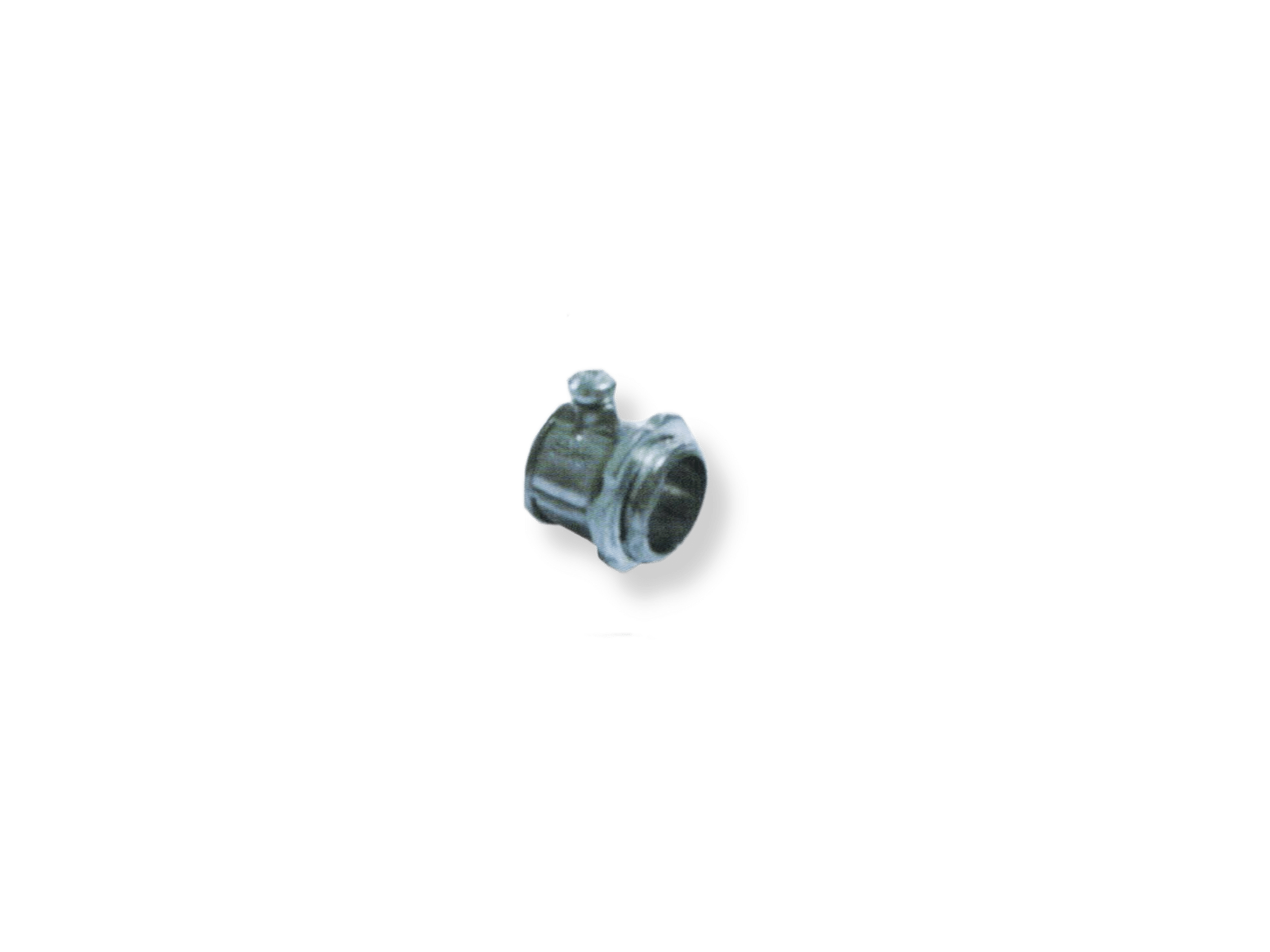
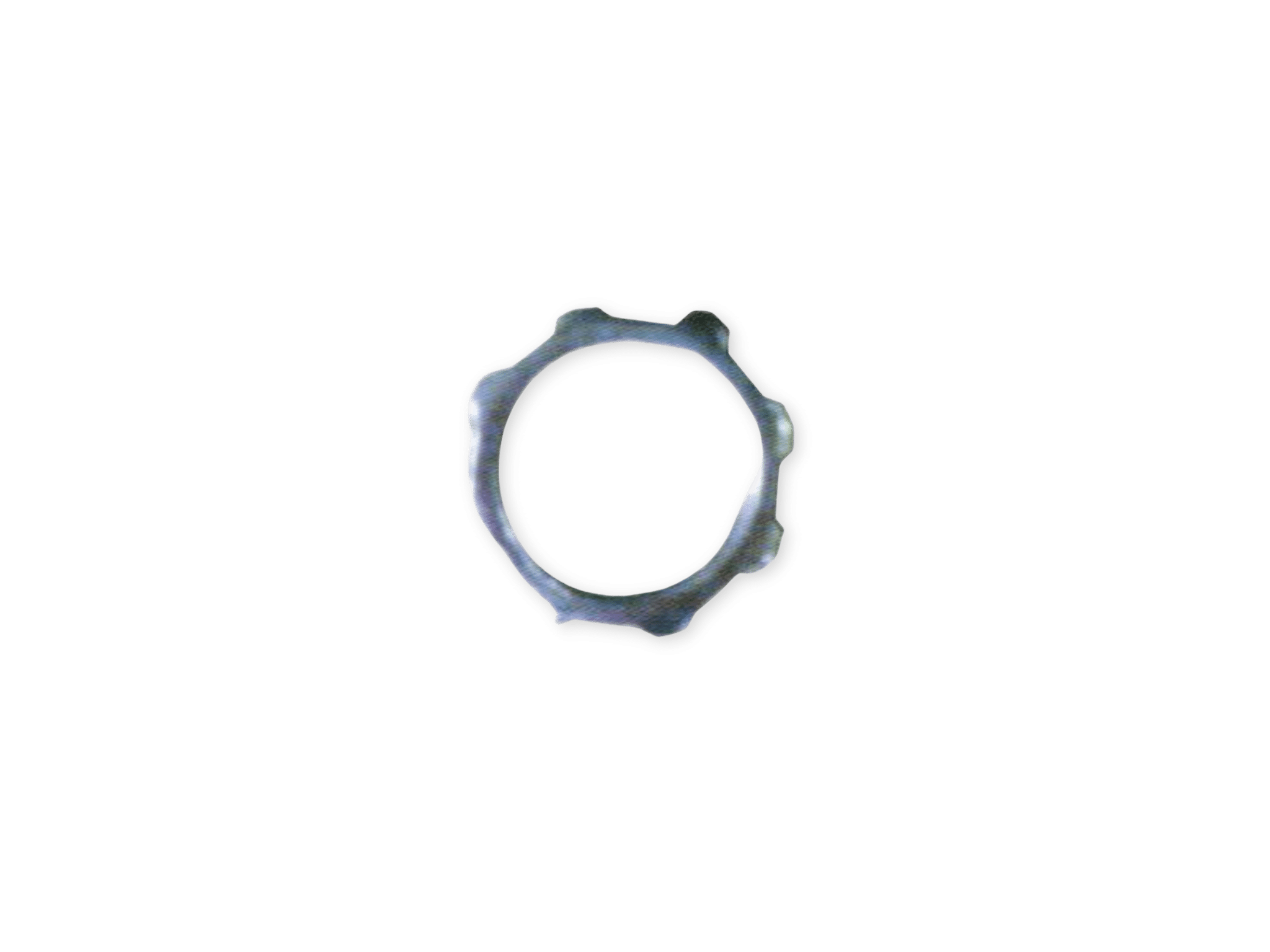
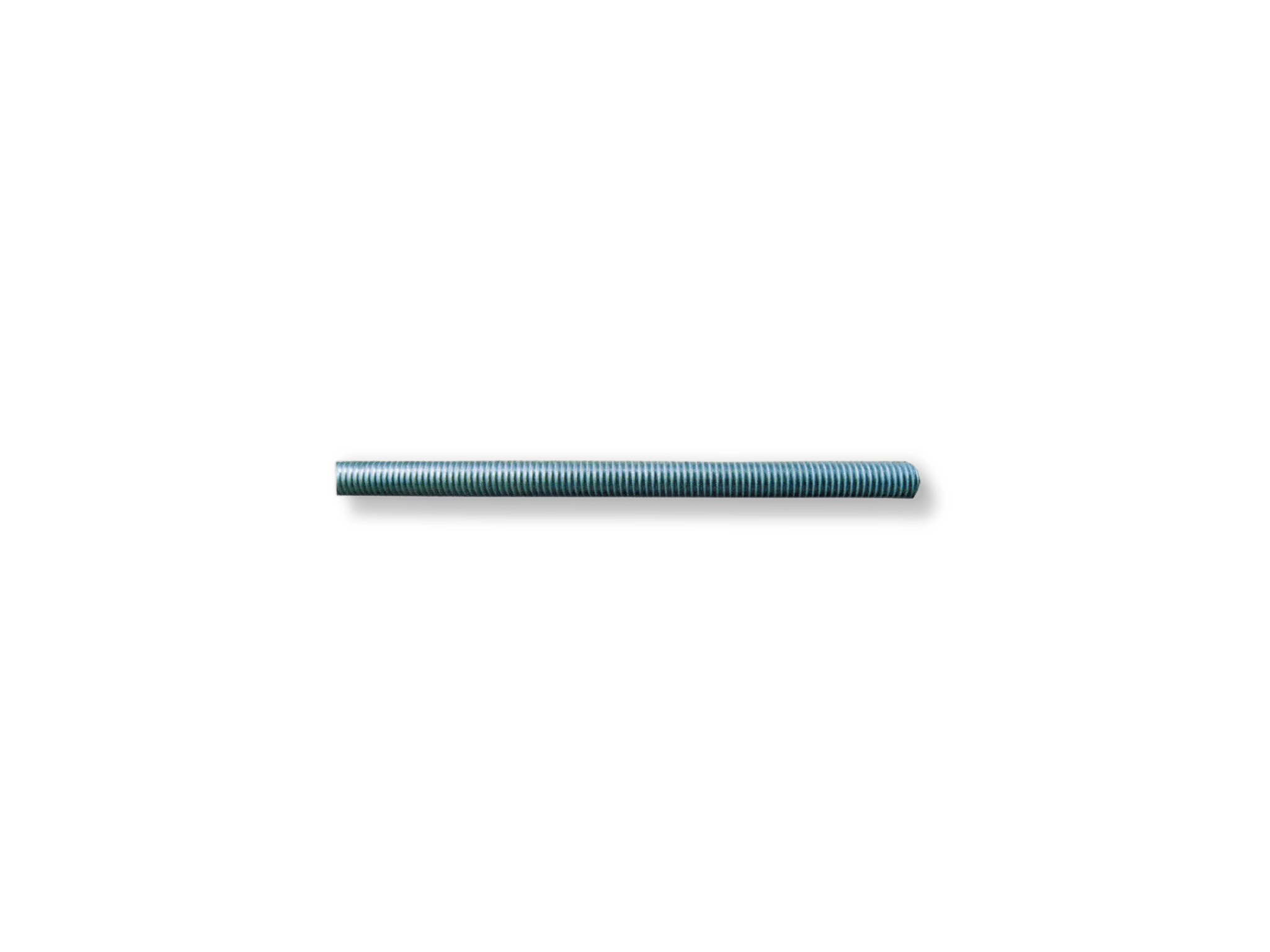
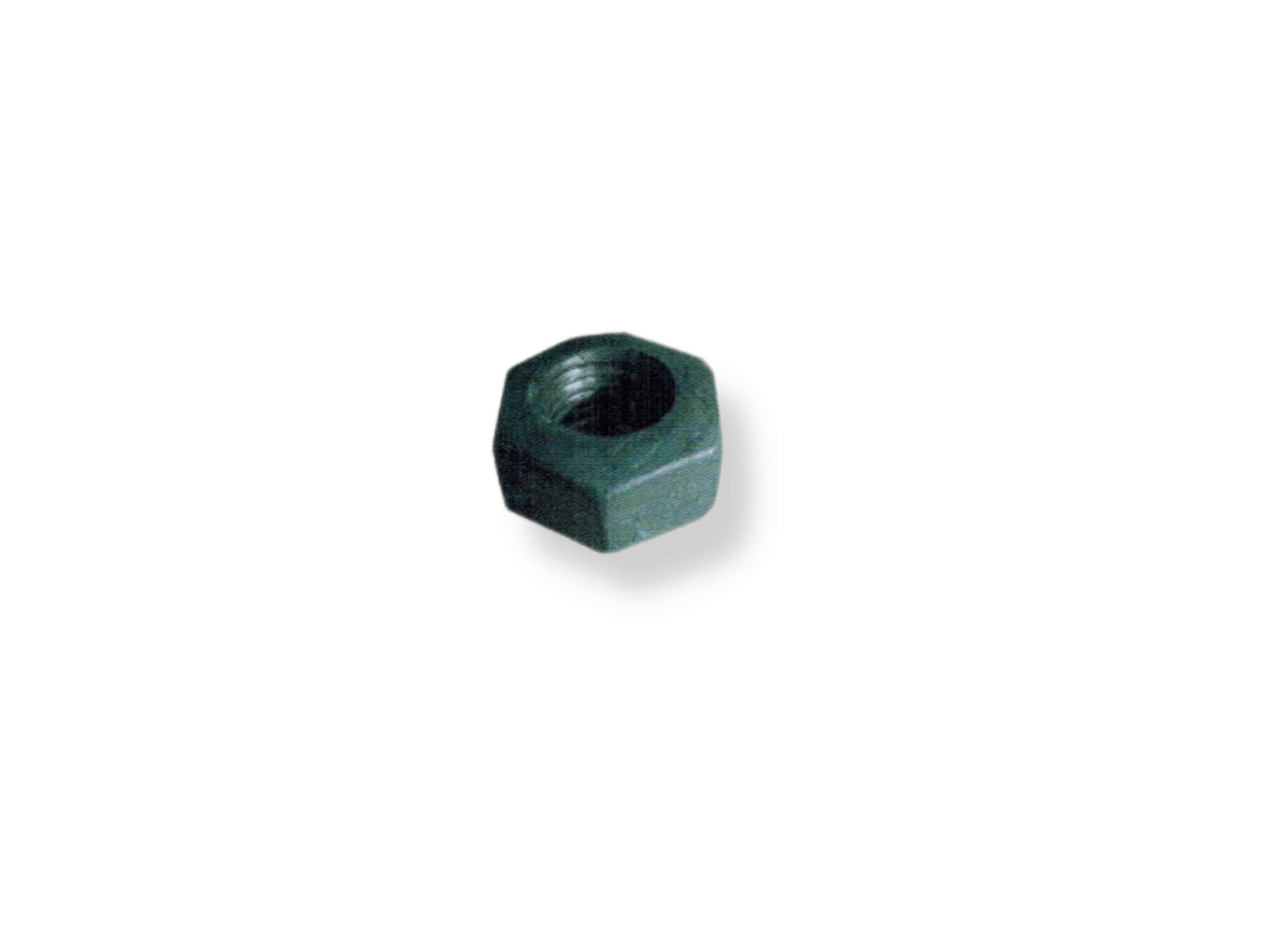
When buying conduit, also plan for the fittings you will need — couplings, connectors, boxes, bends, and straps — so the whole run is compatible. Buying from a single trusted supplier ensures the parts fit together and meet the same quality standard, saving time and avoiding problems on site.
Buy Conduit & Conduit Fittings at TETA INTERTRADE
TETA INTERTRADE supplies a complete range of electrical conduit and fittings — EMT, IMC, PVC, boxes, connectors, couplings, and more — at factory-direct wholesale prices, with deep stock and free delivery to your job site. Contact our team for specifications and a quote.
Frequently Asked Questions About Conduit & Conduit Fittings (FAQs)
PVC conduit suits indoor wiring, such as running wires in homes or office buildings and installing telephone lines, but it is not suitable for high-heat areas or areas exposed to chemicals.
Conduit fittings with a water- and moisture-resistant coating can be used in high-humidity environments, such as factory machine rooms or outdoor areas.
They keep wiring neat and organized and protect it from foreign objects like dust and water that could cause short circuits or leakage, reducing the risk of electrical accidents.
Choosing standards-compliant conduit and fittings (such as TIS or IEC) helps the system operate safely, preventing short circuits and other problems caused by non-standard equipment.