We sell good-quality electrical wire — TIS standard
contractor price

TETA INTERTRADE imports and sells good-quality electrical wire — TIS standard — supporting use inside office buildings, residences, and industrial areas. We have a full range of wire to choose from, both copper wire and aluminum wire, covering low-voltage and high-voltage electrical wire, at contractor prices, meeting the needs of both projects and general installation work, with advice from a professional team so you get the wire most suitable for your use.

High-quality electrical wire, supporting all types of installation work

  • Copper Wire

TETA INTERTRADE sellscopper wirehigh-quality, suitable for general electrical installation and industrial work. There is a full range to choose from — low-voltage copper wire, medium-voltage copper wire, high-voltage copper wire, as well as copper CONTROL CABLE and bare copper wire — with high stability and safety.

  • aluminum wire

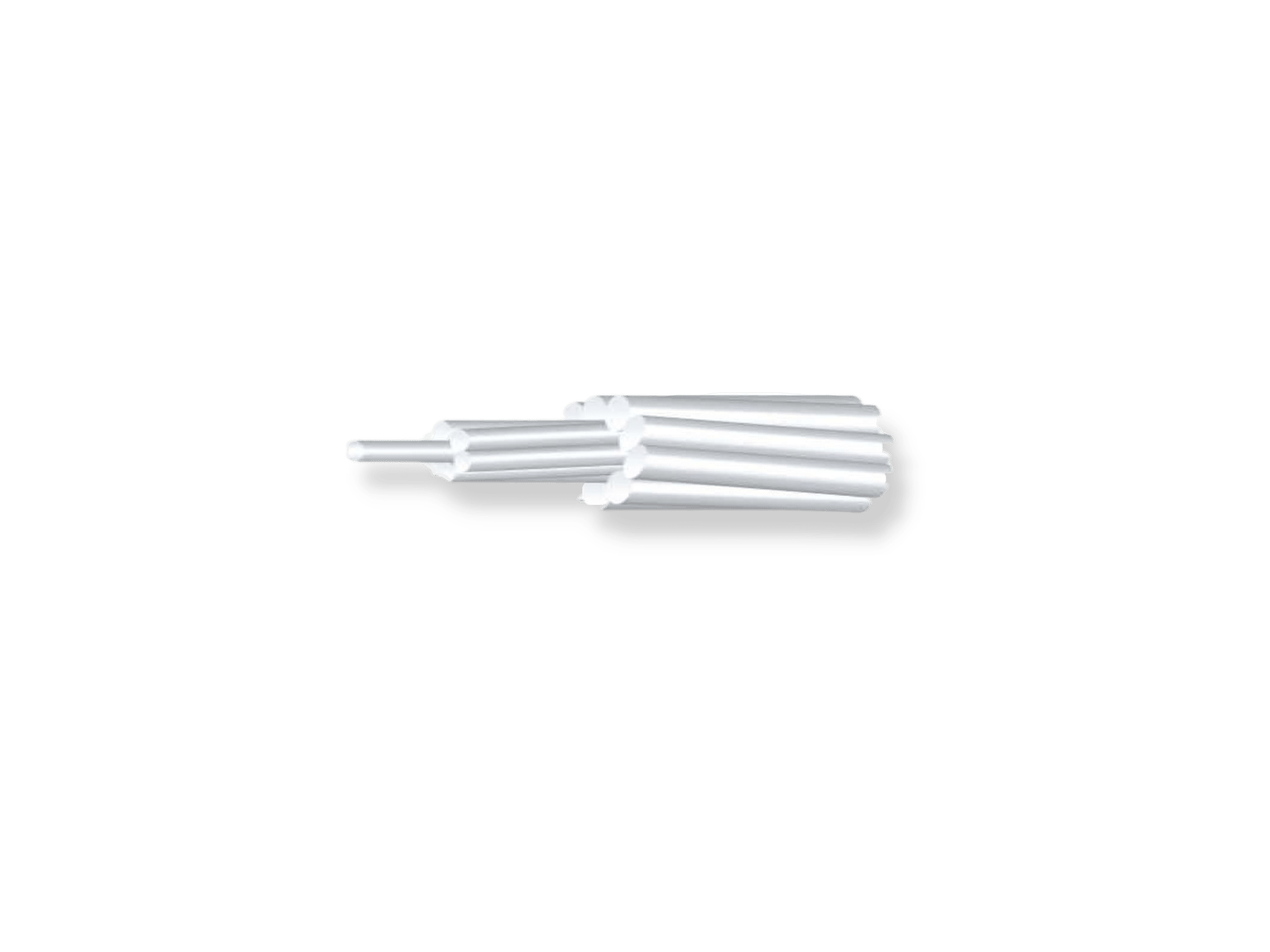
For work that needs to reduce costs, TETA INTERTRADE hasaluminum wirea wide variety to choose from — low-voltage aluminum wire, medium-voltage aluminum wire, and bare aluminum wire — suitable for outdoor wiring, overhead work, and large projects.

For those choosing wire, below is basic knowledge about wire to help make the buying decision easy and matched to your needs.

What is Wire?

Wire is a device that acts as the medium carrying electrical current from the power source to the point of use. The conductor is made from materials with good electrical conductivity and heat resistance, such as copper and aluminum, to help current flow efficiently.

Components of Wire

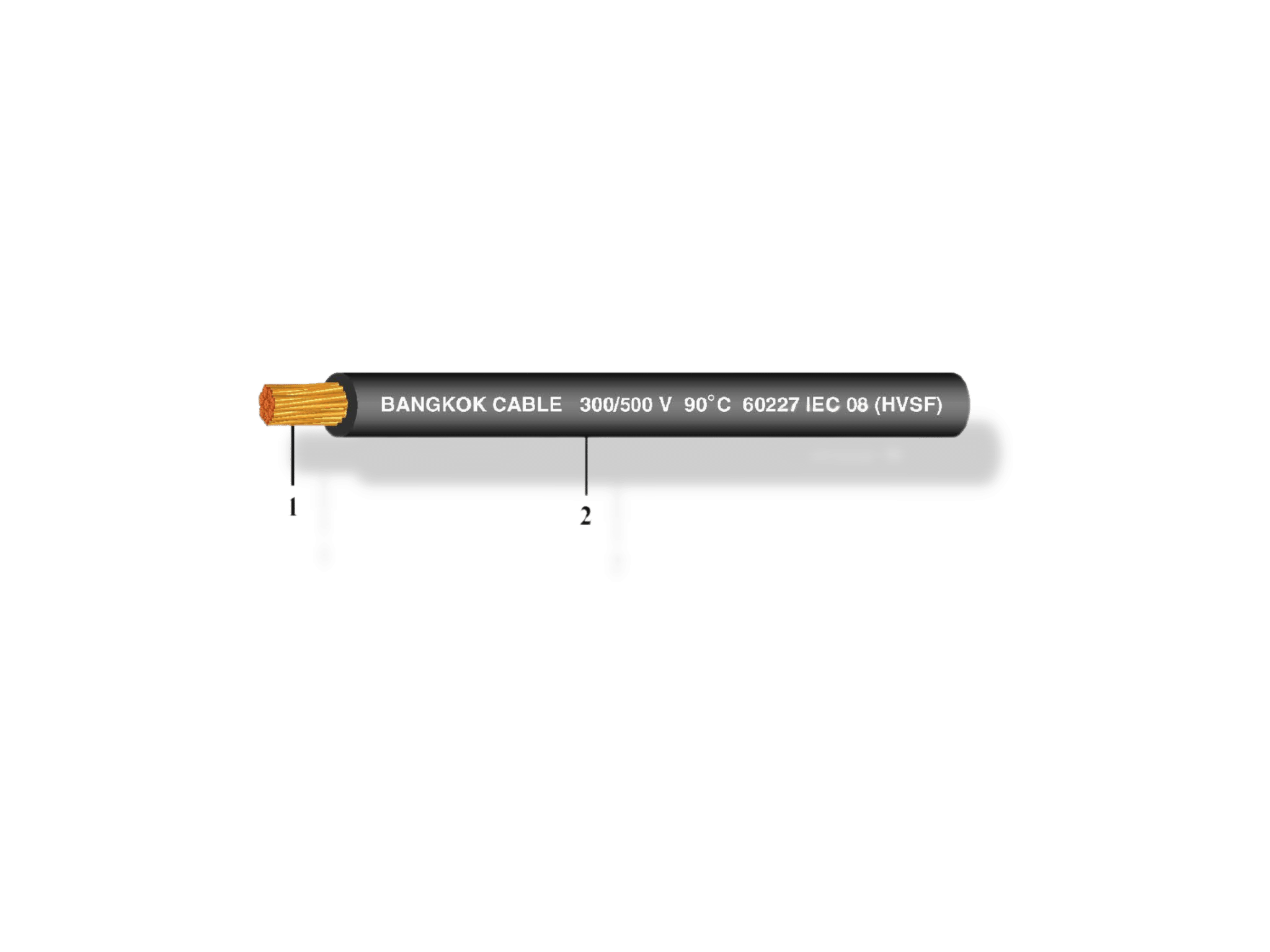
Each wire consists of 3 main parts that work together so that current flows safely and efficiently.

1. Conductor

The conductor transmits the electrical current. The material used must have low electrical resistance and good conductivity, so that current flows easily. Popular conductor materials include copper and aluminum.

2. Insulation

Insulation is the material covering the conductor, with high resistance to electrical current, functioning to prevent current from flowing to other parts that could cause danger, helping reduce the risk of electric shock, leakage, or short circuit. General wire insulation is made from PVC (Polyvinylchloride) or XLPE (Cross-Linked Polyethylene).

3. Outer sheath (Sheath)

The outer sheath is the outermost layer of the wire, functioning to protect the wire from installation and the environment where it is installed, such as impact, compression, abrasion, or corrosion. Popular sheath materials include PVC (Polyvinylchloride), PE (Polyethylene), and LSHF (Low Smoke Halogen Free).

Types of Wire By voltage rating

Each type of wire is designed to suit a different voltage, so choosing wire by voltage rating helps make the electrical system safe and efficient. It is divided into 2 types:

Wire Low Voltage (Low Voltage Power Cable)

Low-voltage wire is designed for use with voltage not exceeding 750 volts, with copper or aluminum conductors, covered with insulation that prevents current leakage, such as PVC or XLPE, suitable for installation inside buildings, residences, and general electrical systems in Thailand.

Wire High Voltage (High Voltage Power Cable)

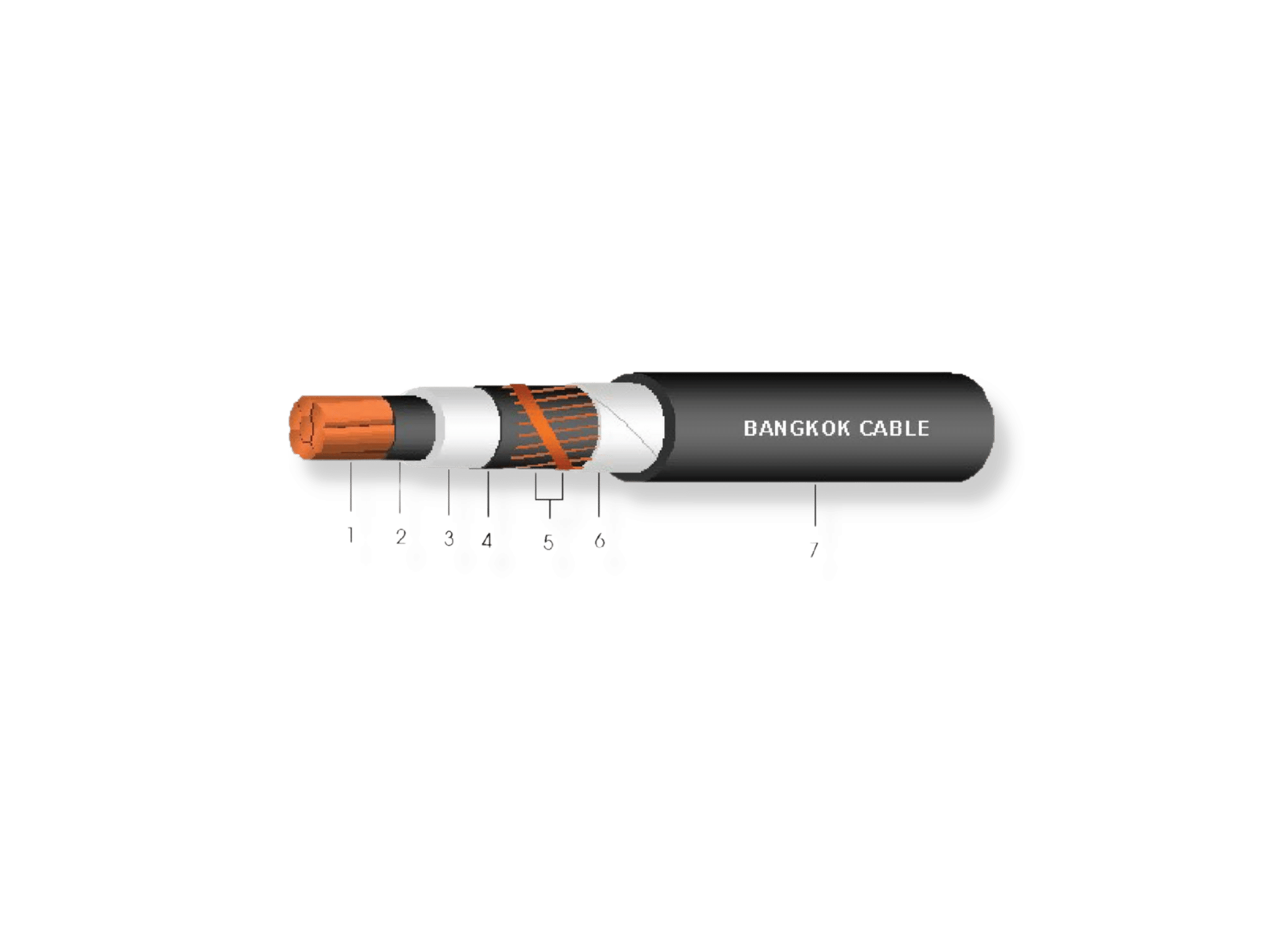
High-voltage wire can carry voltage from 1–36 kV. It is a large, multi-core stranded cable, with the conductor covered in high-quality insulation to support high voltage, suitable for high-voltage electrical work, such as supplying power from a substation to a factory or large building.

Types of Wire By conductor material

The conductor material affects the strength, weight, and conductivity of the cable. Choosing wire by conductor must also match the nature of the work and installation.

  • copper wire has high strength and conductivity, making it suitable for general installation both inside buildings and underground (Underground Cable). Although copper wire is heavier and more expensive than aluminum wire, its advantages are durability and high performance.
  • Aluminum Wire has lower conductivity than copper wire, but its advantages are light weight and economical price, so it is popular for overhead installation, such as outdoor wiring, or wiring work that needs to reduce cable weight.

Guidelines for choosing high-quality wire for contractors

Choosing wire for building and factory projects must take into account quality, materials, and safety standards, so that installation is efficient and reduces long-term problems. For contractors or buyers, the following key points should be considered:

  1. Type of wire by voltage : Choose low-voltage or high-voltage wire to suit the electrical system of the building or factory
  2. Conductor material : Copper wire provides high conductivity and is suitable for installation in buildings or underground, while aluminum wire is suitable for overhead work or outdoor work requiring light weight and low cost.
  3. Standards and certification : Make sure the wire you buy meets TIS or international standards, for safety and confidence in installation.
  4. Length and number of cores : Calculate appropriately for the project to reduce losses and save costs
  5. Service and delivery from the distributor : Choose a distributor that offers wholesale wire service, so you can buy at good value, as well as having experts to advise on choosing wire for the project.

Choosing the right wire not only helps the project be completed to standard, but also helps reduce future maintenance problems and increases the satisfaction of the contractor’s customers.

Buy high-quality electrical wire from TETA INTERTRADE

For contractors and buyers looking for good-quality electrical wire TETA INTERTRADE We have many types of wire to choose from, both copper and aluminum, including low-voltage wire, high-voltage wire, and control cable (Control Cable), with a team ready to advise for free. 

We also have special discount promotions and nationwide delivery service. If you are interested in ordering or would like more information, contact us at

Frequently Asked Questions about the Wholesale Wire Service of TETA INTERTRADE (FAQs)

Copper wire has high conductivity and is strong, suitable for installation inside buildings or underground, while aluminum wire is light and economical, suitable for overhead or outdoor work.

Low-voltage wire is suitable for voltage not exceeding 750 volts, used in homes, buildings, and general systems, while high-voltage wire can carry voltage from 1–36 kV, suitable for high-voltage electrical work, such as supplying power from a substation to a factory or large building.

You should consider strength, weight, and conductivity, to suit the type of work, such as installation in buildings, underground work, or overhead installation.
You should choose wire that meets TIS or international standards, for safety and confidence in installation.

TETA INTERTRADE offers nationwide delivery, with a team to advise on choosing wire by type of work, including purchasing recommendations for contractors and buyers.