
Key Takeaways
Building a home that truly meets your living needs means giving careful thought to both safety and everyday convenience. Home electrical wiring is therefore a job that should be planned before construction even begins — from deciding where to place sockets and switches, to choosing a wiring method suited to the space, to selecting equipment that matches how each area will be used. Preparing the system properly from the very start also helps prevent problems later on, keeping your home’s electricity efficient, safe and cost-effective over the long term.
Many people pour time into choosing paint colours and beautiful furniture, yet overlook something far more important hidden behind the walls. Imagine a home that looks perfectly finished, only to discover there aren’t enough power sockets — or that a wall has to be torn open again just to repair a single run of cable. These headaches are entirely preventable by wiring your home correctly from before construction begins. The electrical system is like the main artery of a house: plan it carefully and you will live comfortably and safely, without pouring money into spiralling repairs down the line.
Concealed vs. Surface Wiring: Which Is the Better Choice for Your Home?
Choosing how your wiring will be installed is the first thing to consider when you start planning a home, and each method has its own strengths and limitations.
Pros and Cons of Concealed (In-Wall) Wiring
Concealed wiring means running cables through conduit and fittings that are embedded within the brick or concrete structure.
- Pros: Clean and tidy. Cables are completely hidden from view, giving an uncluttered look that suits homes where neatness matters.
- Cons: Installation is complex and must be planned from the start of construction. Repairing or adding outlets later can be difficult because it means breaking into the walls.
Pros and Cons of Surface (Exposed) Wiring
Surface wiring means running conduit — or clipping cables — along the face of walls that have already been built.
- Pros: Easy to install, inspect and repair. New outlets can be added at any time without breaking into walls, and it suits loft-style designs.
- Cons: The conduit and cable runs are clearly visible, so sloppy workmanship can spoil the overall look of a room.
Which method you choose depends on how you will use the space. If you prioritise a clean, tidy appearance, go with concealed wiring; but if easy maintenance and the flexibility to change outlet locations in the future matter more, surface wiring is the better answer.
What Are the Steps for Home Wiring? 5 Key Stages to Meet Standards
A safe electrical installation relies on systematic, engineering-based planning. The key stages are as follows:
1. Design and Layout
Decide where to install power sockets, switches and light fittings based on how each room will actually be used, making sure there are enough of them. This reduces reliance on extension leads, a leading cause of short circuits.
2. Calculate the Electrical Load
Estimate the total electricity demand for the whole house so you can request an appropriately sized meter from the utility, and use that figure to size the cables and breakers so they can carry the load safely.
3. Install the Consumer Unit
Install the control panel that acts as the hub of your home’s wiring, using standard-compliant components inside the unit along with quality low-voltage electrical connectors. Divide it into clearly separated sub-circuits — for example lighting, sockets and the water heater — so that if a fault occurs the system cuts power only at that point, without affecting the rest of the house.
4. Run the Cables and Install the Earthing System
Run the cables according to your chosen method and — most importantly — install the earthing (grounding) system and an earth-leakage (RCD) breaker to standard, to protect users from the danger of current leakage.
5. Test the System
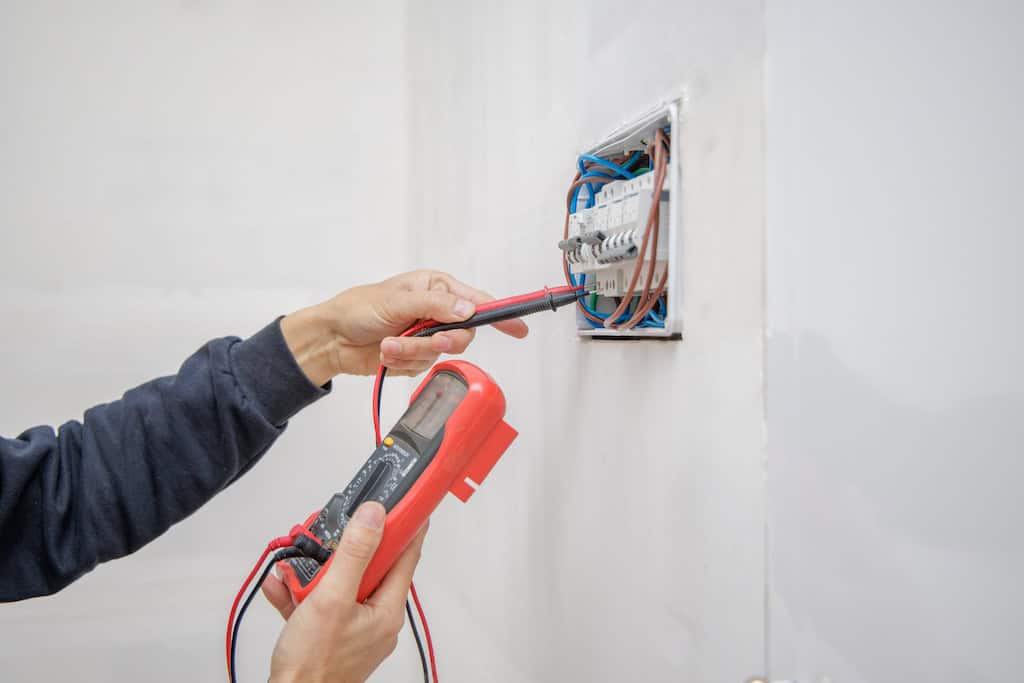
Once installation is complete, the electrician must check the voltage, verify that each sub-circuit is correct, and test the earth-leakage protection device to make sure the system is ready for safe use.
How to Plan Your Home Wiring Before Building — Preventing Leakage and Too Few Outlets
Preventing electrical problems starts right at the design and installation stage. Below are the common pitfalls to watch for — and the correct practices that avoid the mistakes most often made when wiring a home.
- Choosing cable that doesn’t match the load: Using cable that is too small for the current flowing through it causes heat to build up, melts the insulation and creates a fire risk.
- Too few outlets: Assess the position and number of appliances comprehensively from the outset, to avoid adding wiring later and spoiling the look of your home.
- Neglecting earthing and protective devices: High-humidity areas such as bathrooms and kitchens are prone to current leakage, so a standard-compliant protection system is essential for maximum safety.
- Poor cable connections: Loose connections are a leading cause of heat and sparking. Every connection point should sit inside a junction box and always use standard-compliant fittings.
How to Choose an Electrician and What to Check on Handover
To make sure your home’s wiring is safe and up to standard, pay close attention to everything from selecting the installer to inspecting the finished work, as follows:
Tips for Choosing an Electrician
- Holds professional certification: Choose an electrician who holds a proper, valid licence of professional competence.
- Verifiable track record: Has a clear work history and genuinely understands electrical-installation standards.
What to Check After Installation Is Complete
- Test sockets and switches: Try every point in real use to confirm the power supply and that everything is secure.
- Inspect the consumer unit: Check that the cabling is neat, orderly and safe.
- Test the earth-leakage protection: Press the test button on the breaker to confirm the system trips correctly.
- Measure the earthing system: Check the earth resistance against the safety criteria before moving in.
Choose Quality Cable for Home Wiring That Lasts
Good, safe home wiring starts with choosing materials suited to the job — especially the cable that forms the backbone of a building’s wiring. Selecting quality materials that conduct electricity well and have durable insulation meeting industrial standards is key to reducing the risk of short circuits while extending the system’s service life.
Teta Intertrade supplies and distributes standard-compliant electrical cable and equipment, offering low-voltage electrical wire and copper wire for a wide range of electrical systems — ideal for homeowners or contractors planning a build who need high-performance materials for maximum safety.
Choose the right cable for your project and ask Teta Intertrade for more product information at:
- LINE: https://lin.ee/NaG9WJP
- Phone: 02-068-9690 or 086-308-3741
Frequently Asked Questions About Home Electrical Wiring (FAQs)
If I want to extend my home, how should I handle the wiring?
Have an electrician check whether your existing meter and consumer unit can handle the increased demand. If the existing load is near capacity, it is best to install a separate sub-consumer unit for the new extension — for safety, to prevent voltage drop and to make future repairs easier.
How old does a house need to be before the wiring should be checked or completely rewired?
Once a home is more than 15–20 years old, the cabling often begins to degrade or become brittle. It is advisable to have a qualified electrician inspect the whole system to assess whether it should be stripped out and rewired, so it can safely support the power demands of modern appliances.
Can I wire my home myself?
It is not advisable to install it yourself without specialist expertise. Electrical work requires someone with the right knowledge and a professional licence, so the installation meets standards and tightly guards against the risks of current leakage and short circuits.
References
- Things to know about installing an electrical system properly and safely. Retrieved 11 September 2026. From safesavethai.com
- Electrical Installation Standard (PEA). Retrieved 11 September 2026. From pea.co.th






